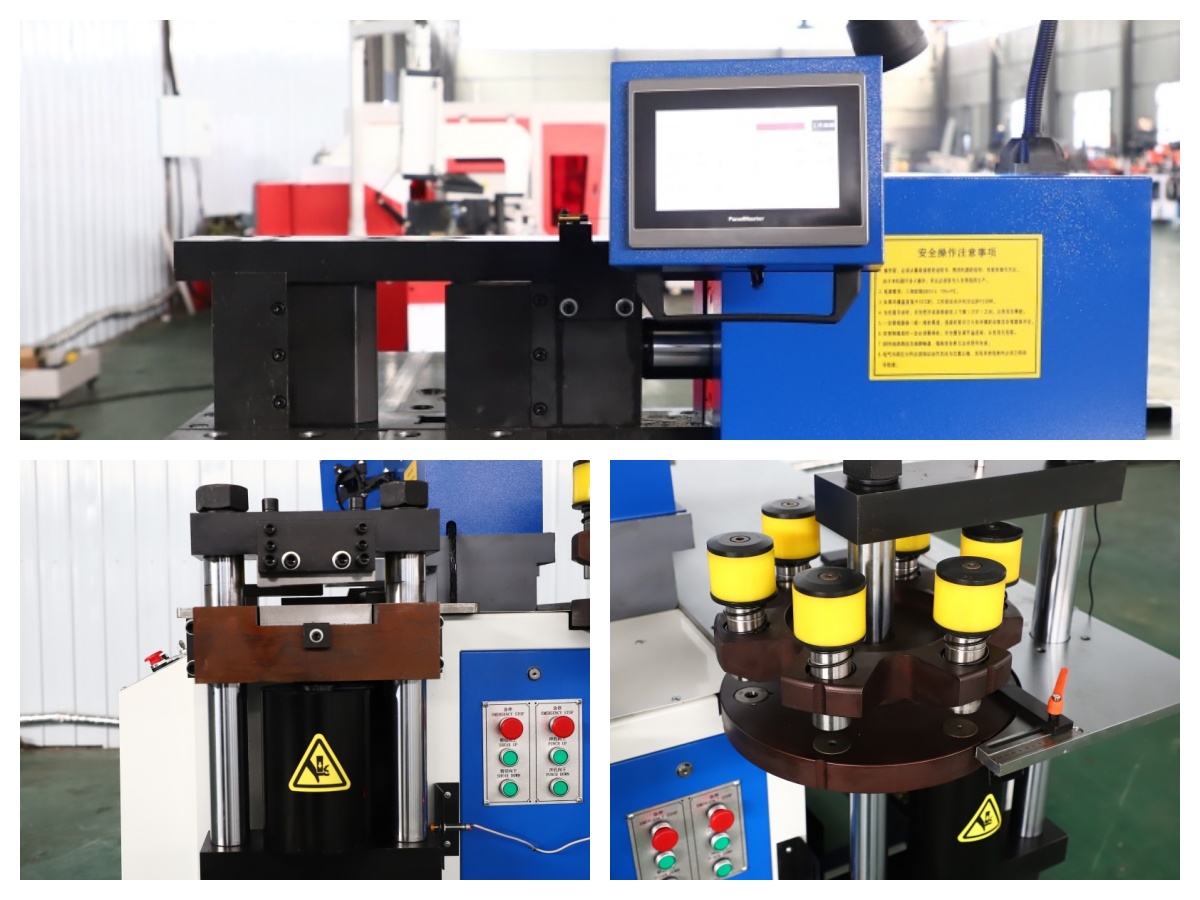
What Materials Can a 3-in-1 Busbar Processing Machine Process?
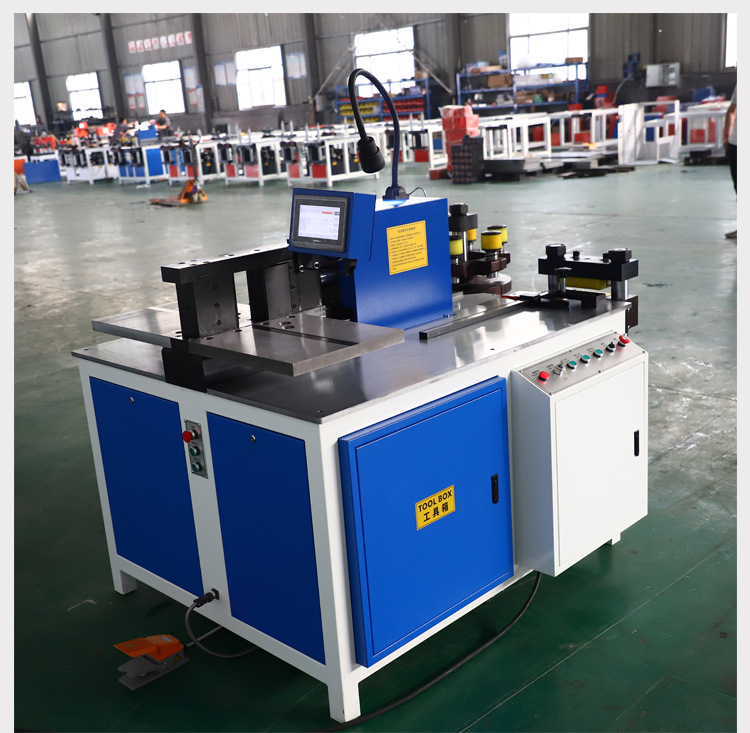
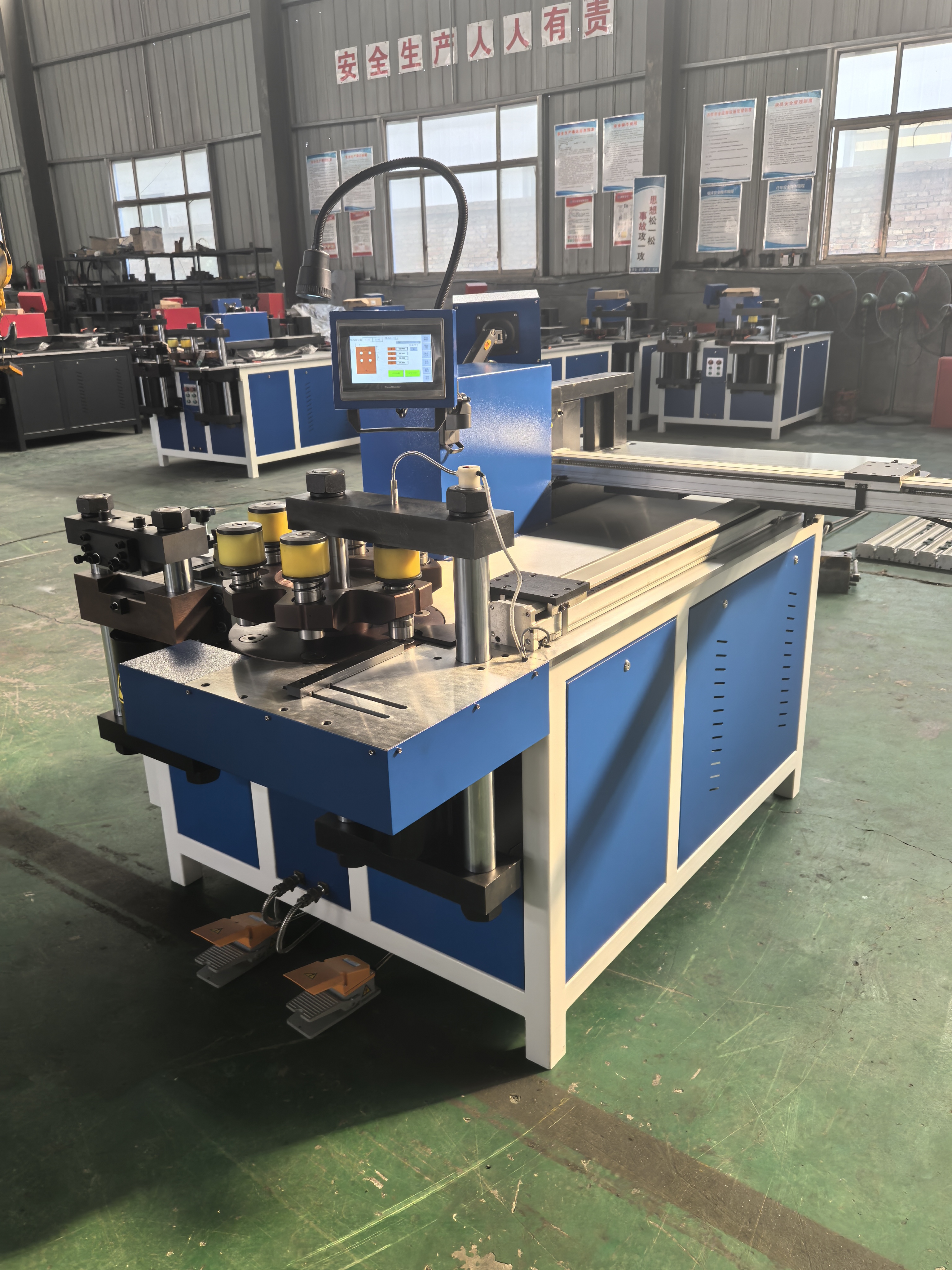
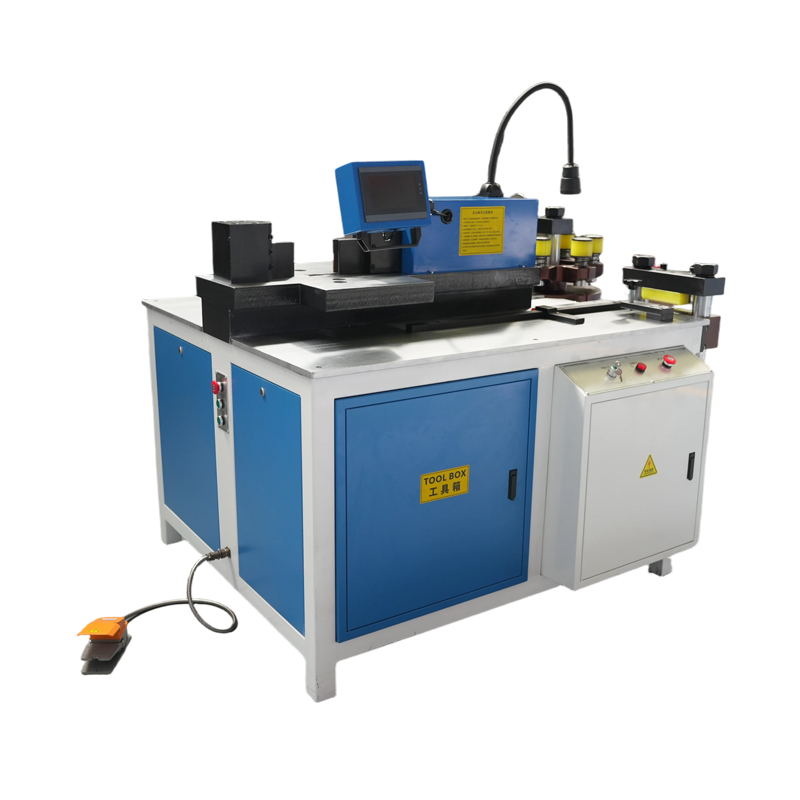
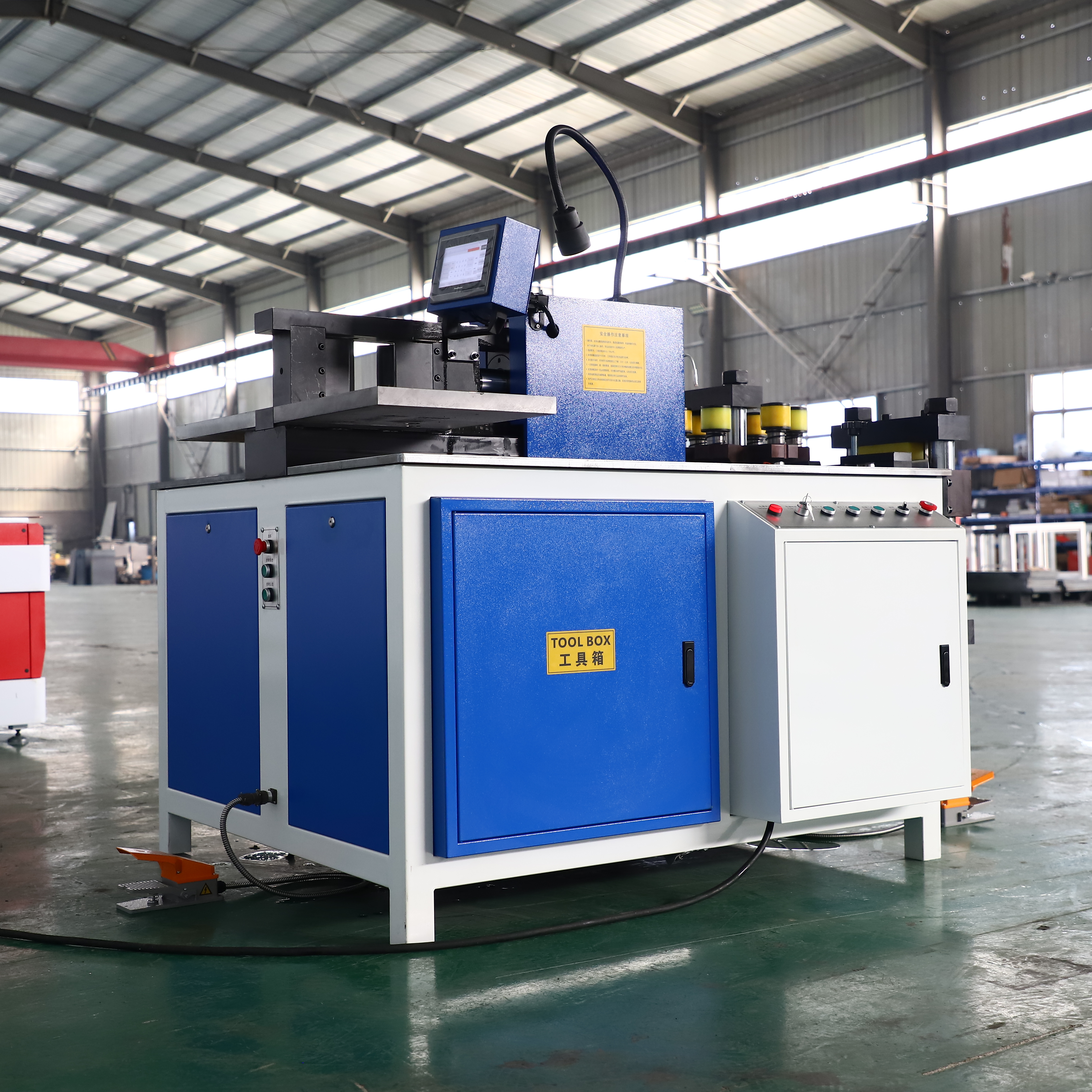
Depending on the machine's processing capacity, a 3-in-1 busbar processing machine can perform punching, cutting, and bending operations on copper busbars of different specifications.
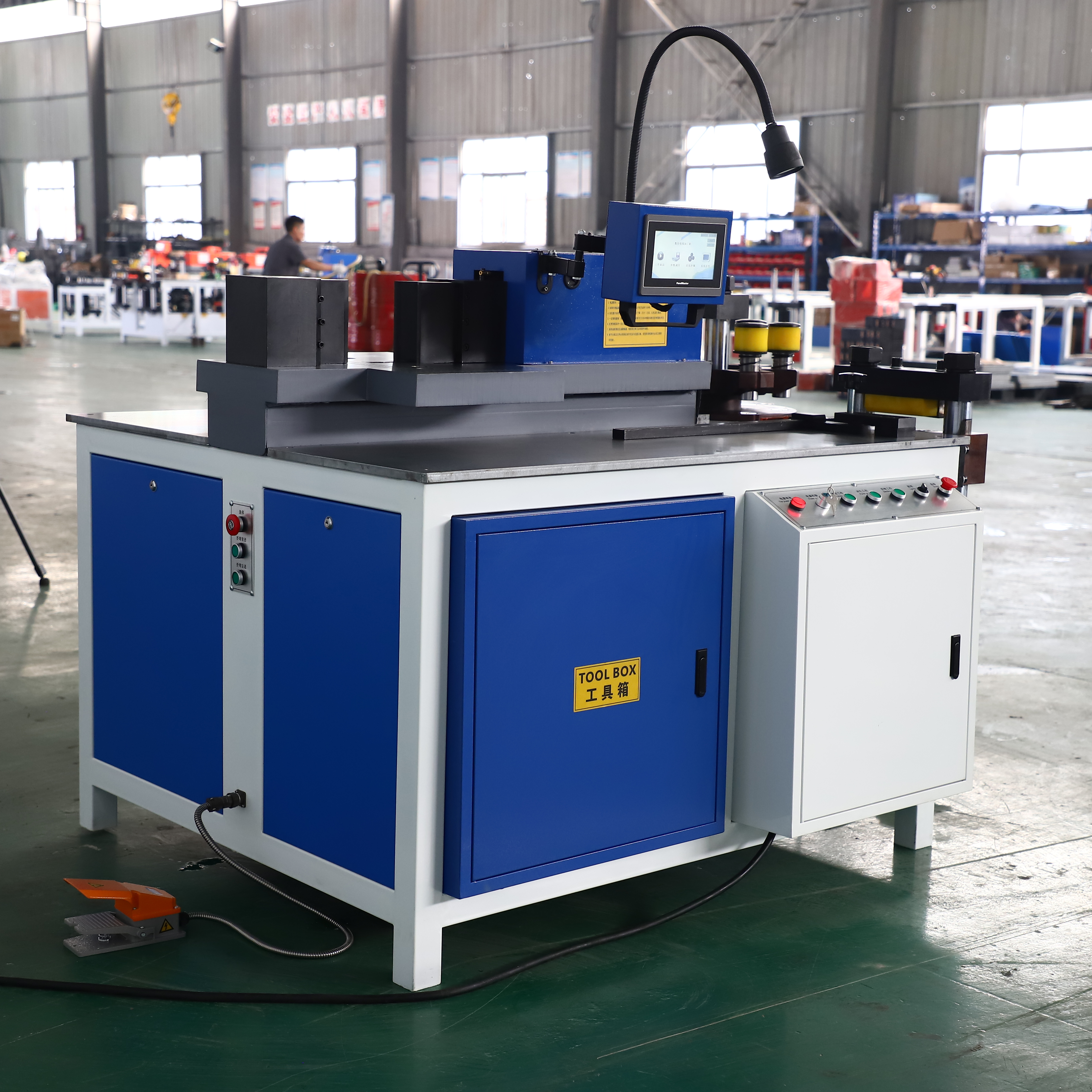
CNC BUSBAR PROCESSING MACHINE
- Date:2026-07-08 - Author: Chloe
Automatic Busbar Punching and Shearing Machine Working Video
In this video, our automatic busbar punching and shearing machine demonstrates fast, accurate, and fully automated processing of copper busbars. The machine performs punching and shearing operations with high precision, making it an ideal solution for manufacturers of switchgear, electrical panels, transformers, and power distribution equipment.
The automated feeding system helps improve production efficiency while reducing labor costs and ensuring consistent processing quality.


1. Multiple Functions in One Machine
One machine integrates three processing stations—punching, cutting, and bending—reducing the need to purchase multiple separate machines while saving valuable production space.
2. Improved Processing Efficiency
By integrating multiple processing stations into a single machine, the equipment can reduce material handling and repeated positioning between different machines, helping optimize the overall busbar processing workflow.
3. Stable Processing Accuracy
With the hydraulic system, positioning devices, and optional CNC control configurations, the machine can control processing positions and parameters more effectively, helping improve consistency in busbar processing.
4. Easier Operation
The three processing stations are relatively independent, allowing operators to select the appropriate function according to different production requirements. This makes the machine suitable for processing copper and aluminum busbars with different specifications and processing requirements.


CNC servo positioning busbar machine
How to Choose the Right Busbar Processing Machine Model
When choosing a busbar processing machine, price should not be the only factor to consider. The right model should be selected based on the material specifications, production volume, processing requirements, automation needs, and industry application.
Different busbar processing machine models are designed for different production requirements. Choosing the right machine can help improve processing efficiency, increase production consistency, and reduce overall production costs.
1. Consider the Maximum Processing Capacity
The model of a busbar processing machine is usually determined by its maximum processing width, material thickness, and processing capacity or hydraulic force.
Before purchasing a machine, it is important to confirm the specifications of the copper and aluminum busbars commonly used in your production, including their width and thickness.
2. Confirm the Processing Materials
Different materials may require different processing capabilities and tooling. Before selecting a machine, you should clearly identify the materials to be processed, such as copper busbars, aluminum busbars, or special alloy materials.
The material type, thickness, and hardness can all affect the required processing force and machine configuration.
3. Consider Future Automation Requirements
If your company plans to increase production capacity in the future, it is worth considering automation and CNC upgrades when selecting a machine.
Important features may include:
• CNC positioning
• Automatic feeding
• Servo-controlled positioning
• Digital production management
• Programmable processing parameters
These functions can help improve production efficiency and reduce manual operations.
4. Choose a Professional Busbar Processing Machine Manufacturer
A professional manufacturer can provide more than just equipment. An experienced busbar processing machine supplier can recommend a suitable model based on factors such as:
• Busbar dimensions
• Material type
• Product requirements
• Production quantity
• Processing methods
• Automation requirements
By selecting the right busbar processing machine according to your actual production needs, you can achieve higher efficiency, better processing consistency, and a more cost-effective production solution.
Frequently Asked Questions About Three-in-One Busbar Processing Machines
Q1: Can the open-frame model handle standard busbar processing?
A: Yes. For most standard copper busbar processing applications in electrical distribution cabinets, the open-frame model can meet normal production requirements.
Q2: Are the dies interchangeable between open-frame and closed-frame models?
A: Yes. The dies are interchangeable between the two models. The main difference is the material feeding method. The open-frame model allows material feeding from the front, rear, left, and right sides, while the closed-frame model allows feeding from the left and right sides only.
Q3: Which punching dies are included as standard? Can special-shaped dies be customized?
A: The machine comes standard with conventional round-hole punching dies. Dies for hole sizes 7, 9, 11, 13, 17, and 21 mm are available, with elongated-hole dies such as 13 × 18 mm and 17 × 21 mm also available as optional configurations. Bending and shearing dies can also be customized. The machine supports the processing of L-shaped, Z-shaped, and U-shaped special busbars, making it suitable for various non-standard electrical cabinet drawings.
Q4: How long does it take for a beginner to learn how to operate a three-in-one busbar processing machine? Is professional programming required?
A: The standard hydraulic foot-pedal model requires no programming. Operators can perform processing by following the graduated scale and can generally learn the basic operation within about one hour. The CNC touchscreen model allows operators to enter dimensions for automatic processing and supports CAD drawing import. With approximately half a day of training, operators can independently start batch production without prior electrical or programming experience.
Q5: Can the machine be customized for different voltages, such as 220V, 380V, and 415V?
A: Yes. The machine can be customized for different power requirements worldwide, including 220V single-phase, 380V three-phase, and 415V configurations suitable for Australia and Southeast Asia. Both 50 Hz and 60 Hz frequencies are supported.
Q6: How long is the warranty? How are replacement parts supplied for overseas customers?
A: The complete machine is covered by a 1-year warranty, while consumable dies are covered by a 3-month warranty. We also provide long-term support, including die drawings and bulk stocking solutions for spare dies to help overseas customers maintain continuous production.
High- and low-voltage switchgear factory
Automatic Busbar Punching and Shearing M
Learn about the working principle, main
Automatic Busbar Punching and Shearing M

Related Articles
303 Multifunctional Busbar Processing Machine
Fenghua CNC multifunctional busbar proce
Learn MoreMX-803BSSK Hydraulic Busbar Processing Machine
Heavy-duty hydraulic busbar processing m
Learn MoreMX-503BSSK Copper Busbar Processing Machine
Fenghua CNC copper busbar processing mac
Learn MoreAutomatic Busbar Punching and Shearing Machine Working Video | Complete Busbar Processing Line
Automatic Busbar Punching and Shearing M
Learn MoreAutomatic Busbar Punching and Shearing Machine Working Video | Complete Busbar Processing Line
Automatic Busbar Punching and Shearing M
Learn MoreAutomatic Busbar Punching and Shearing Machine Working Video | Complete Busbar Processing Line
Automatic Busbar Punching and Shearing M
Learn More